Chain link fencing has been around for more than a century, but the way it’s made today has completely transformed. Once produced manually with slow, labor-intensive processes, chain link fences are now created with advanced modern fence machines that deliver precision, strength, and unmatched durability. This revolution in manufacturing has changed the fencing world—especially for industries that rely on long-lasting, secure perimeter solutions.
🚀 From Manual Mechanics to High-Tech Machines
Originally, chain link fences were woven by hand or with basic mechanical tools. These methods often resulted in uneven mesh, inconsistent wire tension, and lower durability.
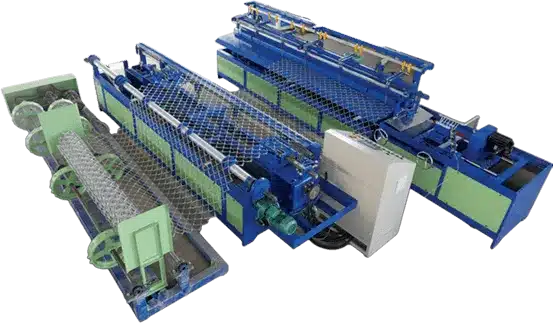
Today’s automated chain link fence machines have reinvented the process. With features like:
- Programmable mesh sizes
- Automatic wire feeding
- High-speed weaving systems
- Real-time quality control sensors
- Better material handling and safety systems
Fence makers can now produce consistent, high-strength fencing at a fraction of the time it once required.
🛡️ Why Modern Chain Link Fence Machines Produce Stronger Fences
Durability is the hallmark of modern chain link fencing—and advanced machinery plays a major role. Here’s how:
✔ 1. Perfect Wire Tension for Longer Life
New machines regulate wire tension automatically. This ensures the mesh stays tight for years, resisting sagging or deformation.
✔ 2. Precision Weaving for Stronger Structure
Automated weaving creates uniform diamond patterns. This consistency boosts the fence’s resistance to impact and weather.
✔ 3. Better Galvanization Compatibility
Today’s machines work seamlessly with galvanized and PVC-coated wires, providing:
- rust resistance
- UV protection
- longer life outdoors
✔ 4. Faster Production Without Quality Loss
Advanced technology allows high-speed production, but with built-in sensors and quality checks, ensuring every section meets industry standards.
🌐 Industries Benefiting from the New Chain Link Technology
Modern chain link fence machines are widely used in:
- Industrial facilities
- Sports complexes
- Agricultural areas
- Public parks and schools
- Residential fencing companies
- Security and defense perimeters
They help manufacturers produce stronger fences that withstand environmental and physical stress better than older versions.
🔧 The Future of Chain Link Manufacturing
The next wave of innovation will include:
- AI-assisted quality checks
- Fully automated customization
- Eco-friendly wire materials
- Faster, more precise automation
This technology ensures that chain link fencing will remain a top choice for durability, security, and affordability.
❓ Frequently Asked Questions (FAQ)
1. What makes modern chain link fences more durable than traditional ones?
Modern machines ensure precise weaving, consistent wire tension, and better compatibility with galvanized and coated wires—all of which improve strength and lifespan.
2. How fast can modern fence machines produce chain link mesh?
Depending on the model, advanced machines can produce several meters per minute, significantly faster than older manual or semi-automatic systems.
3. What type of wire is used in modern chain link fence machines?
Most commonly:
- Galvanized steel wire
- PVC-coated wire
- Aluminized wire
These materials resist corrosion and weather damage.
4. Are automated chain link machines difficult to operate?
Not at all—modern machines are designed with user-friendly interfaces, digital controls, and safety features that make them easy to run and maintain.
5. Can modern machines produce custom mesh sizes?
Yes. Advanced models allow programmable mesh sizes, wire diameters, and fence heights to meet different project requirements.