
The demand for fencing solutions is steadily increasing across residential, commercial, agricultural, and industrial sectors. One of the most widely used fencing types is the chain link fence because it is affordable, durable, and easy to install. For entrepreneurs looking to enter the construction or manufacturing industry, starting a fence manufacturing business with a chain link fence machine can be a profitable opportunity. With the right equipment, planning, and market strategy, you can build a sustainable business that meets the growing demand for quality fencing products.
Understanding the Chain Link Fence Market
Chain link fencing is commonly used for homes, schools, factories, sports fields, farms, and security perimeters. Because it is cost-effective and requires minimal maintenance, many property owners prefer it over other fencing types. Governments, construction companies, and private property developers regularly purchase chain link fences for various projects.
This consistent demand creates a strong market for manufacturers. By investing in a reliable chain link fence machine, you can produce fencing materials locally and supply them to contractors, wholesalers, and retailers in your region.
What Is a Chain Link Fence Machine?
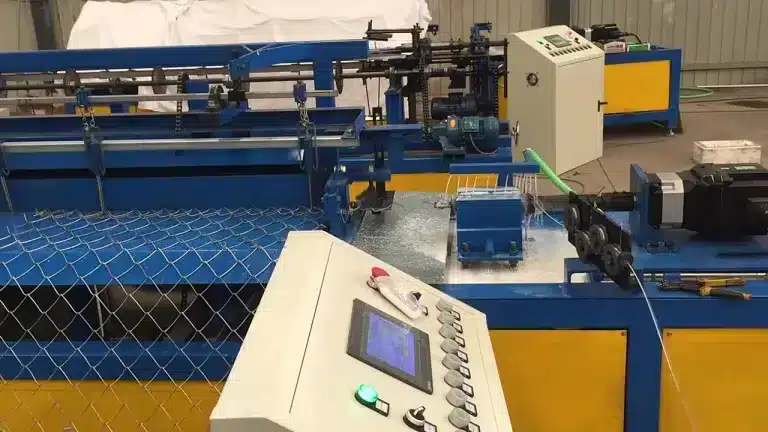
A chain link fence machine is a specialized piece of equipment used to weave steel wire into a diamond-shaped mesh pattern. The machine automates the process of twisting and linking wires together to form the fence structure. Depending on the model, machines can be manual, semi-automatic, or fully automatic.
Modern machines offer several advantages, including higher production speed, consistent quality, and reduced labor requirements. They can also produce fences in different mesh sizes, wire thicknesses, and roll lengths, allowing manufacturers to serve a wide variety of customers.
Steps to Start a Fence Manufacturing Business
1. Conduct Market Research
Before investing in machinery, it is essential to analyze your local market. Identify potential customers such as construction companies, hardware stores, agricultural suppliers, and government contractors. Understanding the demand, pricing trends, and competition will help you create a solid business strategy.
2. Choose the Right Chain Link Fence Machine
Selecting the right machine is crucial for your production efficiency and product quality. Consider factors such as production capacity, automation level, wire diameter compatibility, and maintenance requirements. A high-quality machine may cost more initially but can save money in the long run by reducing downtime and increasing productivity.
3. Secure a Suitable Production Space
Your manufacturing setup will require adequate space for machinery, raw material storage, and finished product handling. A small workshop or industrial unit is usually sufficient for starting out. Make sure the facility has proper ventilation, electrical supply, and safety arrangements.
4. Source Raw Materials
The primary material used in chain link fence manufacturing is galvanized steel wire or PVC-coated wire. Building strong relationships with reliable suppliers will help ensure consistent material quality and competitive pricing. Good raw materials are essential for producing durable and long-lasting fencing products.
5. Hire Skilled Workers
Even though modern chain link fence machines automate much of the work, you will still need trained operators and support staff. Workers should understand machine operation, maintenance, and quality control procedures. Proper training can improve productivity and reduce errors during production.
6. Develop a Marketing Strategy
To grow your business, you must promote your products effectively. You can reach customers through construction contractors, fencing installers, building material stores, and online platforms. Creating a professional website, listing your products on B2B marketplaces, and networking with local builders can help generate consistent orders.
Benefits of Starting a Chain Link Fence Manufacturing Business
Starting this type of business offers several advantages:
- Growing demand: Construction and infrastructure projects continue to increase worldwide.
- High production efficiency: Modern machines can produce large quantities of fencing quickly.
- Low maintenance products: Chain link fences require minimal upkeep, making them popular with buyers.
- Flexible product options: Manufacturers can produce different sizes, coatings, and styles to meet customer needs.
With proper management and quality production, this business can generate steady income and long-term growth.
Tips for Long-Term Success
To maintain a competitive edge in the market, focus on product quality and customer satisfaction. Regular machine maintenance will prevent production delays and ensure smooth operation. Additionally, staying updated with new technology and automation improvements can help increase your production capacity over time.
Building strong relationships with distributors and contractors is another key factor for success. Reliable supply, competitive pricing, and timely delivery will help your business build a strong reputation in the fencing industry.
Frequently Asked Questions (FAQs)
1. How much investment is required to start a chain link fence manufacturing business?
The investment depends on the type of machine, production capacity, and workspace setup. A small-scale setup may require a moderate investment for machinery, raw materials, and operational costs.
2. What raw materials are used to produce chain link fences?
The main materials are galvanized steel wire and PVC-coated wire. These materials provide durability, corrosion resistance, and long service life.
3. Is the chain link fence business profitable?
Yes, it can be profitable due to consistent demand in construction, agriculture, and security applications. Profitability depends on production efficiency, market demand, and effective sales strategies.
4. How much production can a chain link fence machine handle?
Production capacity varies depending on the machine type. Fully automatic machines can produce large volumes of fencing rolls daily compared to manual or semi-automatic machines.
5. What industries use chain link fences the most?
Chain link fences are commonly used in residential properties, industrial facilities, schools, sports complexes, agricultural farms, and government infrastructure projects.